
Walk through any home show in Singapore and half the booths will have it printed on a banner. Smart lifestyle solutions. It sounds appealing and tells you almost nothing.
Which is a pity, because underneath the marketing there is a genuinely useful idea, and it has very little to do with apps. A smart lifestyle solution is simply an appliance you chose because it removes something small and annoying from your day. Not because it has a screen, and not because you can control it from the MRT. Because it takes a task off your plate in the home you actually live in.
The small things add up more than you think
Think about a normal weekday morning. You boil the kettle, then wait for it to cool enough to drink. You shower, switch on the bathroom fan, then forget about it, and by evening the bath mat is still faintly damp. You come home and the flat smells of whatever was cooked at lunch, so you open a window that lets in more humidity than it lets out.
Each of those is a minute or two. None is worth complaining about on its own. But they repeat every single day, which is why households quietly upgrade their appliances long before anything actually breaks.
Why this comes up so often in Singapore homes
Three local realities push households in this direction.
Space is tight. A typical kitchen has one usable run of countertop and most of it is already committed. Every appliance has to earn its footprint against everything else that could sit there.
It is always humid. Relative humidity here averages around 82% a year and reaches 100% in prolonged rain. Damp is not a season here. It is the default setting, and it shows up in bathrooms, wardrobes, laundry and the backs of cupboards.
Homes are sealed and air-conditioned. Comfortable, but it also means the air indoors recirculates. The WHO has pointed out that where there are indoor sources of dust and particles, indoor levels are usually higher than outdoors. Cooking, pets and new furnishings all count.
The three places it makes the biggest difference
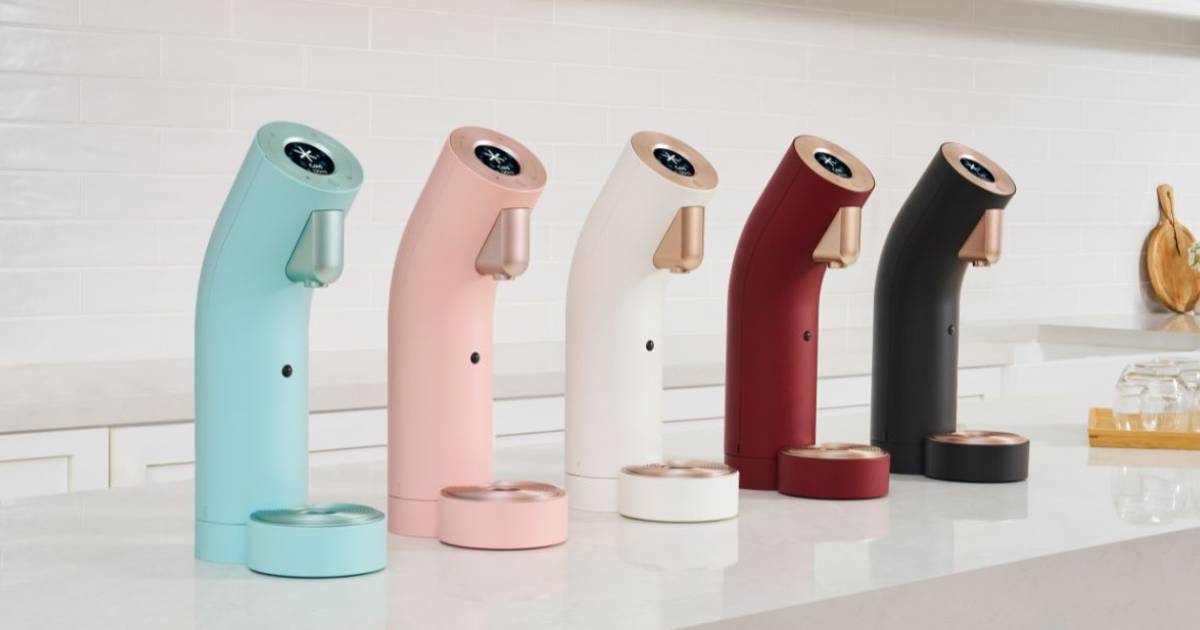
Water. Drinking water is the most repeated event in a home. Everyone returns to it a dozen times a day, so a Wells water purifier that gives you hot, cold and room temperature on demand replaces the kettle, the waiting and the fridge shelf full of bottles. The more capable models add preset temperatures and measured volumes, which quietly matters if anyone in the house makes coffee or matcha, bakes at weekends, or is preparing formula at three in the morning. Our range is built around different kitchen sizes: the Wells Slim One for a narrow footprint, the Wells Home Café for drink making, and the Wells Mini for the tightest counters. They are all on the Kitchen collection page.
Air. An air purifier becomes genuinely useful when it stops needing your attention. Sensors that read the room, an indicator you can glance at, and an auto mode that speeds up on its own after you have been frying fish. That is the difference between an appliance you remember to switch on and one that simply holds the room where you want it. Size it to the room rather than the flat, and the Living collection covers each of those cases.
Moisture. This is the one nobody plans for, because the bathroom exhaust fan came with the flat and was never thought about again. A modern ceiling unit ventilates, dehumidifies, warms and dries from a single fitting, and the better ones sense humidity and run only when they need to. Given how many musty smells and mouldy silicone joints trace back to a bathroom that never fully dries, this is often the single biggest improvement in the house. The range is on our Bathroom collection page.
How to tell a real solution from a gimmick
Before you buy anything carrying this label, ask five questions.
- What does it actually take off my hands? If you cannot say it in one sentence, it is a feature and not a solution.
- Does it still work if I never open the app? The main functions should be on the appliance itself. Connectivity is a bonus, not a requirement.
- What do the filters cost, and can I get them here? This is a multi-year commitment. Check before, not after.
- Who fixes it in Singapore? An imported appliance with no local service becomes disposable the moment something goes wrong.
- Will it physically fit? Measure the counter, the ceiling void and the clearance behind. Plenty of good appliances underperform purely because they were squeezed into the wrong spot.
Where to start
You do not need to do all of it at once. Start with whichever thing irritates you most. For most households that is water, because it comes up so many times a day. If someone at home has allergies, or there is a baby or a pet, air usually jumps the queue. And if your bathroom still smells damp two hours after a shower, start there.
One point of sequencing is worth knowing early. Water and air purifiers can be added at any time because they simply plug in. Bathroom ventilation units are far easier to fit during renovation, since they usually need a false ceiling and a concealed duct. Retrofitting is possible but often means building a box-up, so if works are coming up, decide that one first. The full range is a good place to browse the rest.
Conclusion
The label on the banner is not the useful part. What separates a real solution from a gimmick is whether you can name, in one sentence, the daily task it removes, and whether it keeps doing that without an app, a reminder or your supervision. Judge it on that and the shortlist gets considerably shorter.
The easiest way to work out whether something suits your home is to see it in person. Our showroom is at 8 Boon Lay Way, Tradehub 21, open daily from 11:00am to 8:00pm. You are also welcome to get in touch or read a little more about us first.